Search just had its biggest shake-up in twenty years
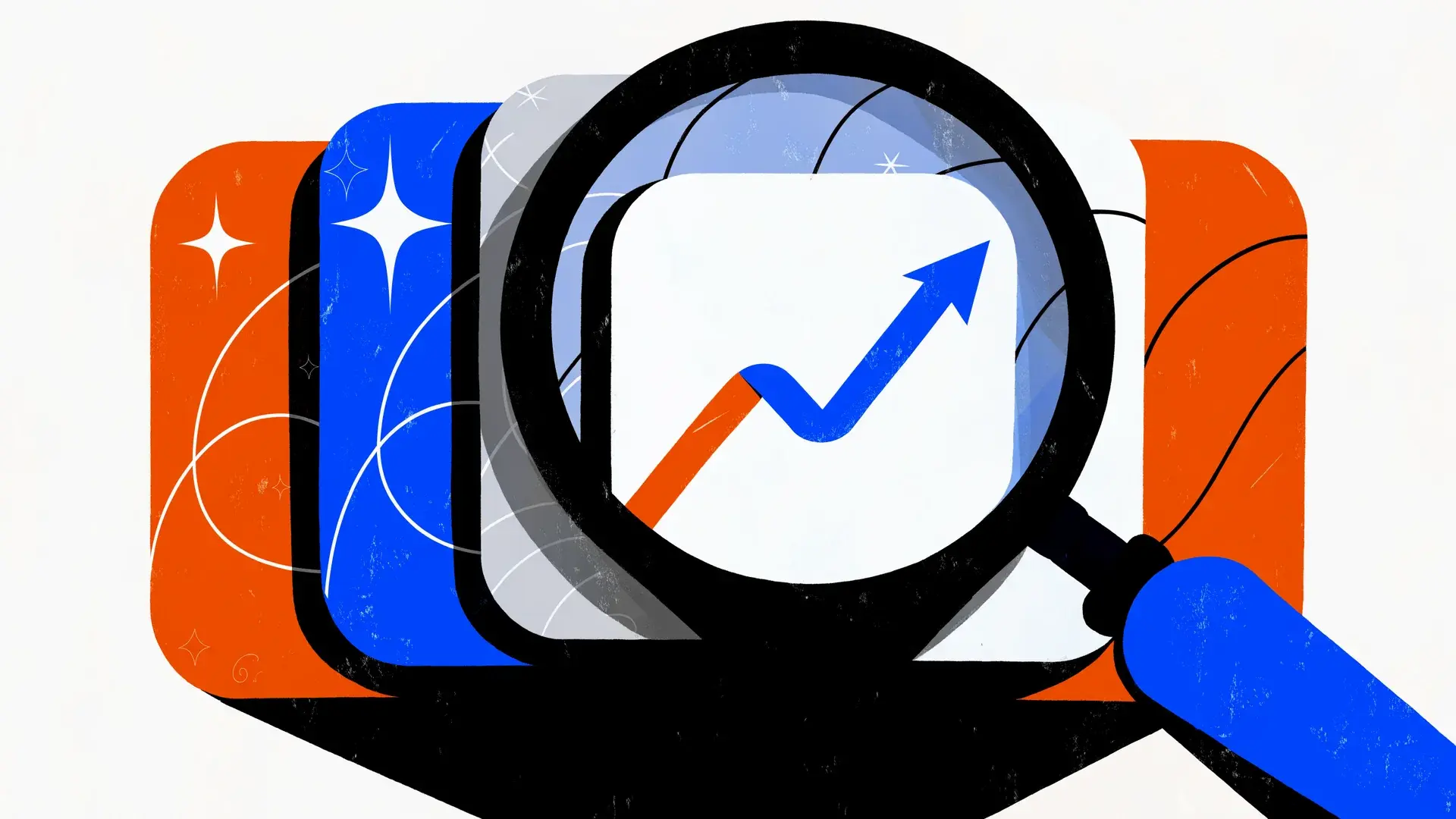
Google's AI Overviews, Bing's Copilot answers and ChatGPT's browsing mode are changing how people find information. Instead of ten blue links, users now get one synthesised answer. If your brand isn't part of it, you're invisible. This is the shift from SEO to GEO: generative engine optimisation.
The old playbook of stuffing keywords into H2 tags and building backlinks still matters, but it's no longer enough. AI models pull from structured data, authoritative sources and content that directly answers the question. If your content reads like it was written for a search spider, the new algorithms will skip right past it.
Content at scale: the blessing and the trap
AI can generate a blog post in 30 seconds. That's both its power and its danger. The brands flooding the internet with AI-generated filler are finding that volume without insight earns no rankings, no trust and no conversions. Google's helpful content updates in 2025 and 2026 have explicitly targeted this kind of output.
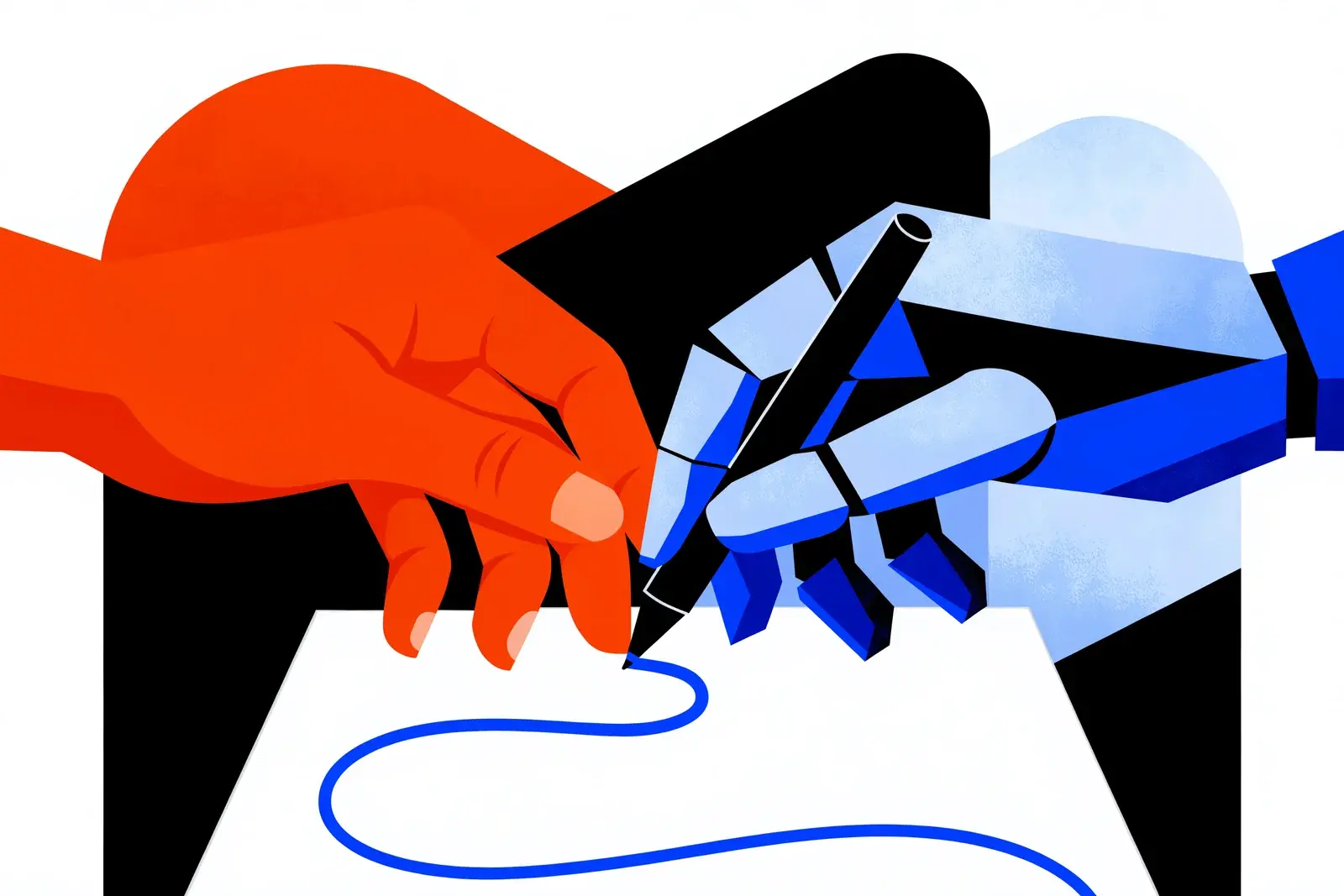
What works is human-led and AI-assisted. Use AI to draft, research, outline and repurpose, but keep a human voice, your own perspective and real expertise at the centre. Your audience can smell generic content from three scrolls away, and so can the algorithms now ranking it.
Personalisation that doesn't feel creepy
AI-driven personalisation has moved past the "we noticed you left something in your cart" stage. In 2026, the best setups adjust landing page copy, product recommendations and email sequences based on how people behave, without making them feel watched. The line between helpful and invasive is thin, and the brands that respect it earn loyalty.
Start with intent-based personalisation rather than identity-based. What someone is trying to do on your site right now is more useful, and less invasive, than a detailed profile built from tracking cookies. Tools like dynamic content blocks and on-site behaviour triggers deliver results without the regulatory risk.
Chatbots, agents, and the new front door
Customer-facing AI agents have moved from novelty to necessity. The 2026 generation of chatbots can handle nuanced queries, book appointments, process returns and hand over to a human when needed. They don't replace your customer service team. They filter out the 60% of enquiries that don't need a human in the first place.
Train your bot on your actual business data so it doesn't make things up. Feed it your FAQs, pricing, product specs and brand guidelines. Set clear guardrails on what it can and can't promise. A well-configured AI agent is a 24/7 revenue tool. A poorly configured one is a liability.